


Inside the iGaming Boom: Slots, Poker, and Smart Betting
Walk into any modern sportsbook or open a betting app at 11 p.m. on a Sunday and you'll see something remarkable: the iGaming industry has quietly become o
Walk into any modern sportsbook or open a betting app at 11 p.m. on a Sunday and you'll see something remarkable: the iGaming industry has quietly become one of the most sophisticated entertainment ecosystems on the planet. It's no longer just about spinning a wheel or picking a horse. It's an intersection of psychology, mathematics, streaming culture, and real-time data — and if you understand how the pieces fit, you'll get far more out of it than the average player who just taps "bet" and hopes for the best.
Whether you're curious about slot volatility, wondering why poker still rewards patience in a world of instant gratification, or trying to build a betting routine that doesn't drain your bankroll, this piece breaks down the landscape without the hype.
Slots: The Illusion of Simplicity
On the surface, slots are the simplest game in the building. Press a button, watch the reels, repeat. Under the hood, though, a modern video slot is a carefully engineered RNG (random number generator) machine running thousands of outcomes per second. What separates a thoughtful player from a lucky one is understanding three numbers: RTP, volatility, and hit frequency.
- RTP (Return to Player): Usually between 94% and 97%. A 96% RTP means that over millions of spins, the game returns 96 cents per euro wagered. That's a long-run figure, not a session promise.
- Volatility: Low-volatility slots like Starburst pay smaller amounts more often. High-volatility titles like Bonanza Megaways can go fifty spins without a meaningful hit — then explode.
- Hit frequency: The percentage of spins that return something. Some slots sit around 25%, which means three out of four spins lose.
Here's a practical tip most players ignore: don't judge a slot by a single session. If you're playing a high-volatility game with a €50 bankroll and €1 spins, your session length might be ten minutes. Match your stake to your bankroll and the volatility you're comfortable with — a good rule of thumb is 200+ spins' worth of bankroll for high-volatility games. Further details are available through สล็อต.
Also worth knowing: bonuses and free-spin features carry most of a slot's RTP. Base-game returns are often lower, which is why progressives and Megaways titles feel so different from classic three-reel machines.
Poker: Where Math Meets Human Nature
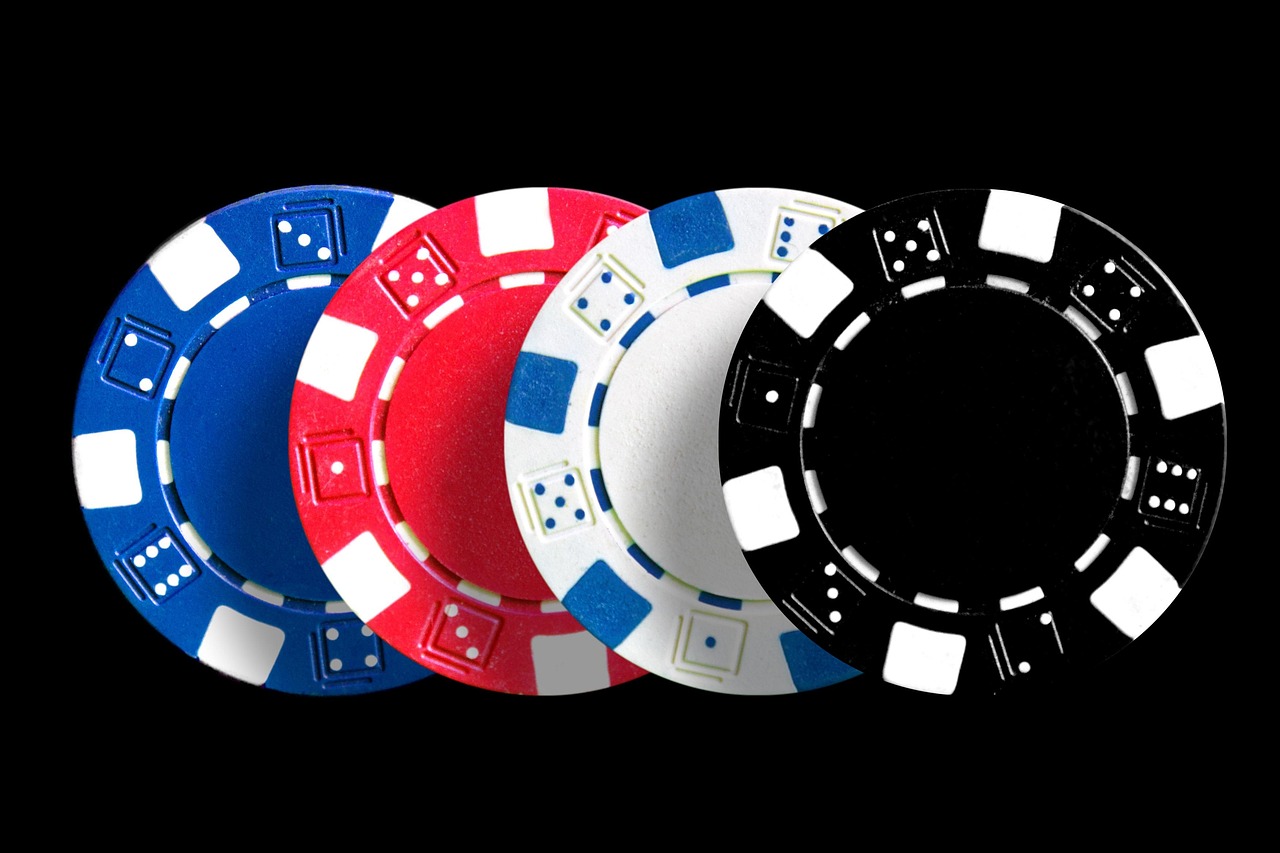
Slots are you against an RNG. Poker is you against people — and that changes everything. The house takes a rake, sure, but the money moves between players, which means the better decision-maker wins over time. This is why poker remains the only major casino game where long-term skill outweighs luck.
If you're newer to the felt, three concepts matter more than memorizing hand charts:
- Position: Acting last gives you information. A decent hand on the button is worth far more than the same hand in the big blind.
- Pot odds: If you're facing a €20 call to win a €100 pot, you only need to win 20% of the time to break even. Compare that to your actual equity — the math will tell you when to fold.
- Bet sizing: Consistent, purposeful sizing tells a story. Random sizes leak information and make you exploitable.
Online poker has become tougher over the last decade thanks to solvers and training tools. But that cuts both ways: recreational players who study even a little can jump ahead of the crowd. The old "any two cards" chaos of 2008 is gone. Today, a disciplined preflop range and a willingness to fold mediocre hands will out-earn fancy bluffs at micro stakes.
Sports Betting: Discipline Beats the Tipster
Sportsbooks love headlines about big wins, but the reality is less cinematic. Margins sit between 2% and 8% depending on the market, meaning the bookmaker doesn't need you to lose every bet — just to bet enough. Beating that margin consistently requires either superior information, superior discipline, or both.
What actually works for recreational bettors:
- Specialize. One league, one sport, or even one market (corners, unders, player props). Depth beats breadth.
- Track everything. Not just wins and losses — stake, odds, reasoning, and closing line. If your bets consistently beat the closing line, you're doing something right.
- Use bonuses wisely. A €100 matched deposit sounds great until you read the 35x wagering requirement. Always compute the true value before claiming.
- Never chase. Loss chasing is the single fastest way to turn a bad weekend into a bad month.
Also note the shift toward in-play betting. Live markets are entertaining but typically carry higher margins and faster emotional decisions. If you struggle with impulse control, pre-match betting is the more sustainable route.
The Casino Floor's New Front Door: Online and Mobile
Land-based casinos haven't disappeared — Macau, Las Vegas, and Monaco still post eye-watering revenue — but the growth engine is mobile. Regulated markets across Europe, North America, and Latin America have turned smartphones into pocket casinos. The result is more choice, better protections, and stiffer competition for your attention.
Two trends worth watching:
- Live dealer games. Real croupiers streaming in HD, with physical roulette wheels and cards. It's the closest thing to a real casino without leaving the sofa.
- Crash and instant-win formats. Games like Aviator and various "mines" titles have redefined what a casino game can look like. Fast, social, and highly volatile.
Responsible operators now push deposit limits, session reminders, and self-exclusion tools front and center. Use them. They're not there to ruin the fun — they're there so the fun doesn't ruin you.
Regulation, Trust, and Why Licensing Matters
Every credible iGaming site operates under a license — Malta (MGA), the UK Gambling Commission, Gibraltar, Curacao, or one of the newer US state regulators. Licenses aren't a marketing sticker. They mean the operator submits to audits, follows anti-money-laundering rules, and must honour payouts under dispute resolution.
Before you deposit anywhere, check four things:
- Who regulates them (name the authority specifically).
- What the withdrawal terms look like — fees, processing times, verification requirements.
- Whether game providers are named (NetEnt, Play'n GO, Evolution, Pragmatic Play are good signs).
- Whether customer support is reachable before you have a problem. Test the live chat with a simple question.
If any of those feel vague, walk away. There are hundreds of alternatives.
Bankroll, Mindset, and the Long Game
The single biggest differentiator between players who enjoy iGaming for years and those who burn out in a month isn't skill — it's bankroll management. Decide in advance what you're willing to lose, separate it from your real life, and treat it as the cost of entertainment, not an investment plan. Poker is the one exception where a serious student can genuinely profit over time, but even there, variance can humble the best players for months.
Track your time as carefully as your money. Chasing losses, playing drunk, or betting to fix a bad mood all correlate with the worst outcomes. The entertainment value should come from the game itself — the strategy, the suspense, the competition.
iGaming has matured into something rich and layered. Slots are tiny mathematical machines wrapped in art. Poker is a chess match with egos. Sports betting is a data game dressed up as a fan's hobby. Treat each on its own terms, respect the math, and it'll stay what it should be — entertainment you control, not the other way around.


Post a comment